Cedar Paths and Silent Ryokans: The Hidden Kyoto
Escaping the crowded pavilions to rediscover the meditative geometry of traditional Japanese hospitality in Mount Hiei and Arashiyama.
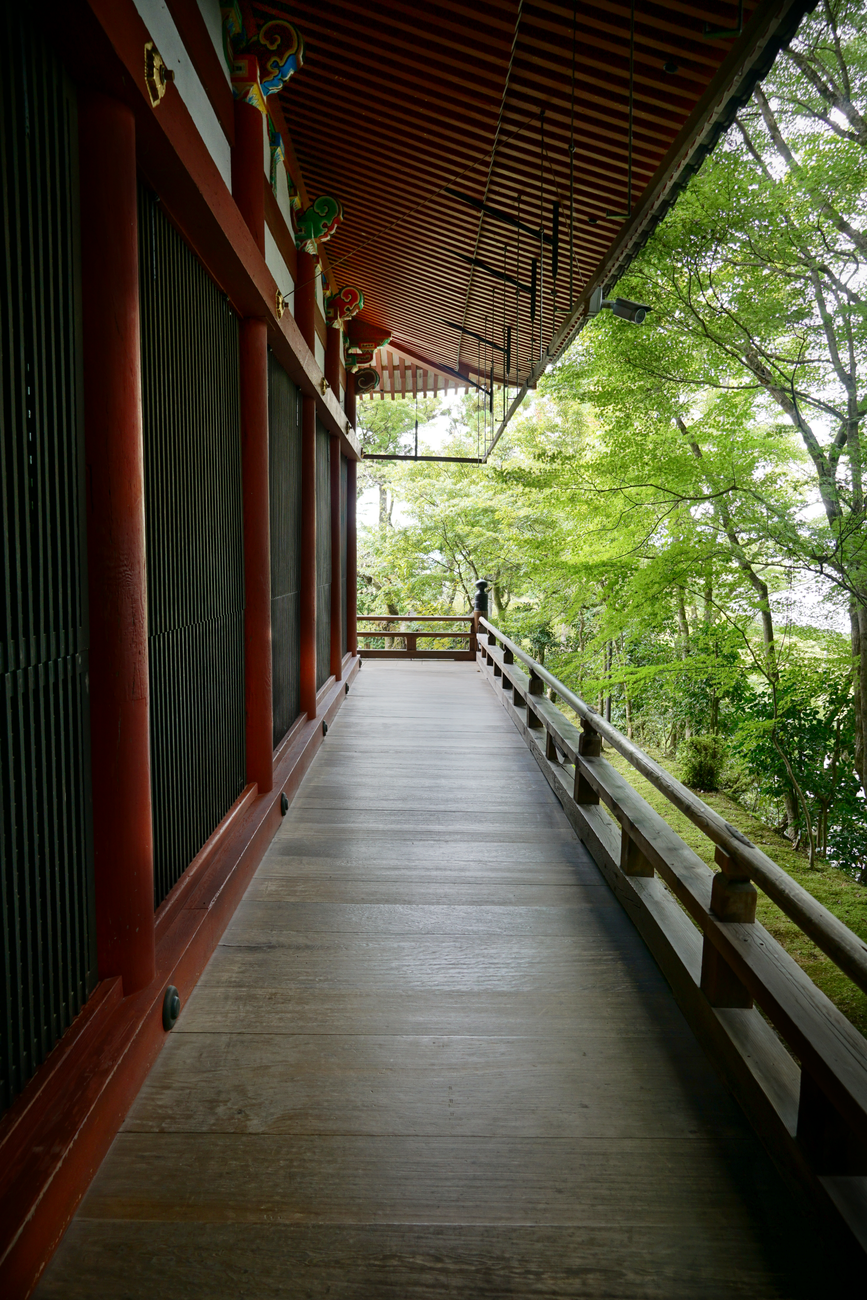
In his seminal work In Praise of Shadows, Junichiro Tanizaki observed that the beauty of a Japanese room depends entirely on the variation of shadows, heavy shadows against light shadows. Nowhere is this truth more palpable than in the northern foothills of Kyoto at the cusp of dawn.
1. The Interplay of Shadow & Cedar
Away from the tourist-clogged paths of the central temple gates lies Kurama, a mountain hamlet accessible by single-track electric train. Here, the moist morning mist condenses on towering Japanese cryptomeria cedars, dropping cool dew upon flagstone pathways that have been worn concave by five centuries of monk pilgrimages.
The traditional ryokans nestled here make no effort to dazzle with gold leaf or grand porticos. Their exterior presents as understated charred cedar cladding (shou sugi ban), blending almost invisibly into the wet forest understory.
2. The Tatami Cadence
To cross the threshold of a heritage ryokan is to surrender Western notions of hurried convenience. Footwear is exchanged for soft cloth slippers, which in turn are discarded before stepping onto the sweet, hay-scented rush mats of the tatami rooms. Without elevated chairs or beds, the eye level drops sixty centimeters toward the earth.
From this low perspective, garden design makes profound spatial sense. The sliding shoji screens frame moss-covered granite lanterns and raked gravel streams not as panoramas, but as intimate living scroll paintings.
“When sitting on tatami, the human posture naturally decelerates; breath deepens, and the rhythm of falling rain becomes the prevailing clock.”
3. Seasonal Kaiseki as Ephemeral Art
Dinner in a traditional inn is an unhurried communion with the immediate calendar week. Served course by course in ceramic bowls molded by local potters, the cuisine honors what the land yields right now: wild mountain yams, persimmons glazed with sweet miso, and freshwater sweetfish grilled over binchotan charcoal. There is no menu choice; you accept what nature provided.
4. Etiquette for Discerning Travelers
When booking these fragile institutions, travel with quiet reverence. Keep conversation volume low, observe bathing traditions with care, and embrace the absence of television screens. In doing so, you participate in an unbroken cycle of mindfulness that has outlasted emperors and dynasties.
Seeking an Authentic Japanese Haven?
111111 collaborates with traditional ryokan conservators to open select accommodations to respectful international explorers.
Request East Asia Portfolio