The Architecture of Alpine Silence in Northern Italy
A journey through South Tyrol, observing where contemporary wooden minimalism converges with three-thousand-meter limestone sentinels.
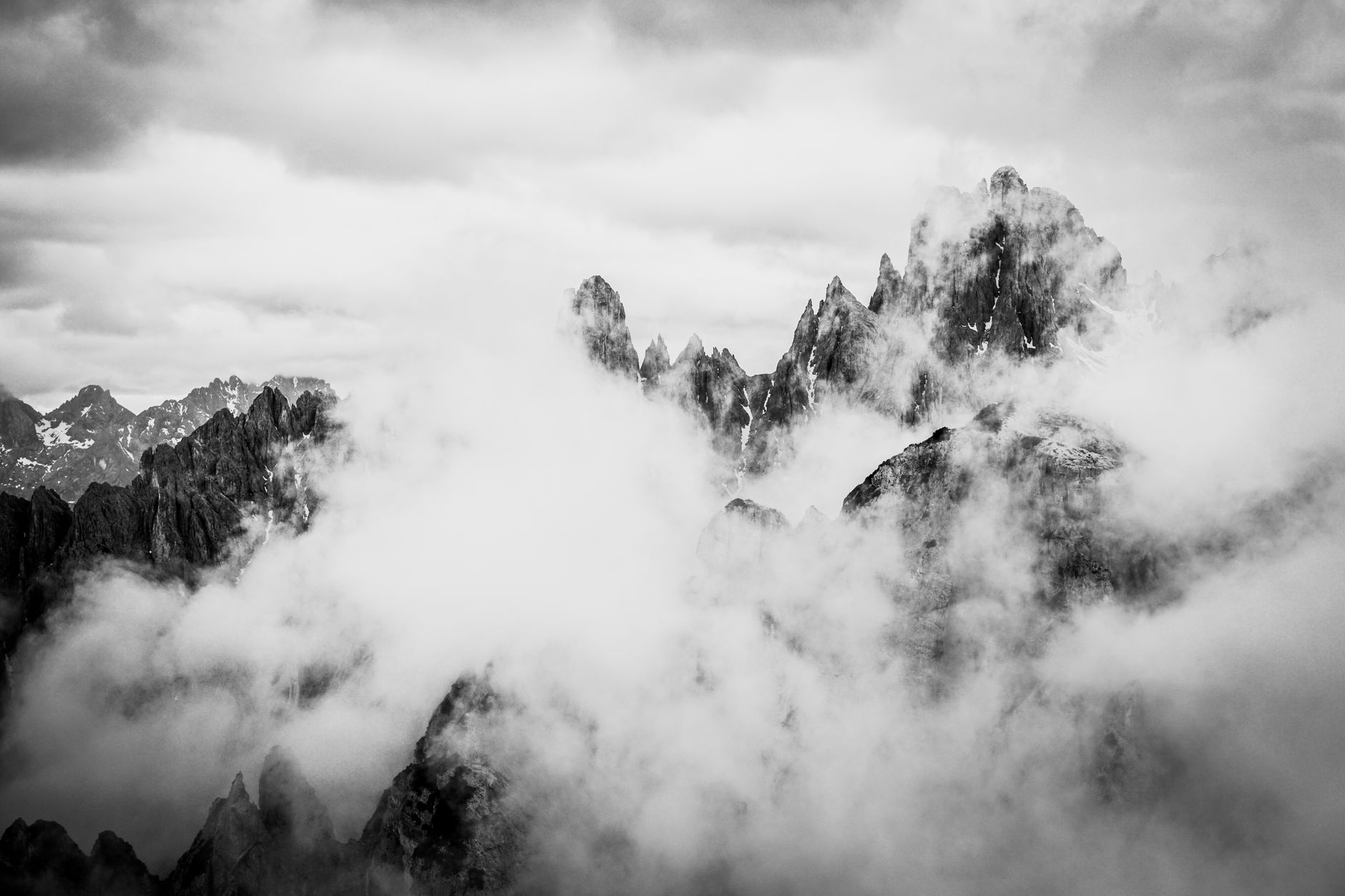
To arrive in the Val di Funes in late October is to experience the mountain world stripped bare of theatrics. The summer tour buses have long evacuated the winding asphalt passes, leaving behind only the solemn clang of copper cowbells and the sharp fragrance of drying larch needles.
1. The High Valleys
Here, beneath the jagged amphitheater of the Odle Group, topography dictates human humility. The limestone towers do not merely rise; they thrust upward like fractured teeth from carpeted alpine meadows. For centuries, Tyrolean farmers worked these severe gradients with wooden scythes and hand-carved sleds, understanding that nature here tolerates human presence without ever endorsing it.
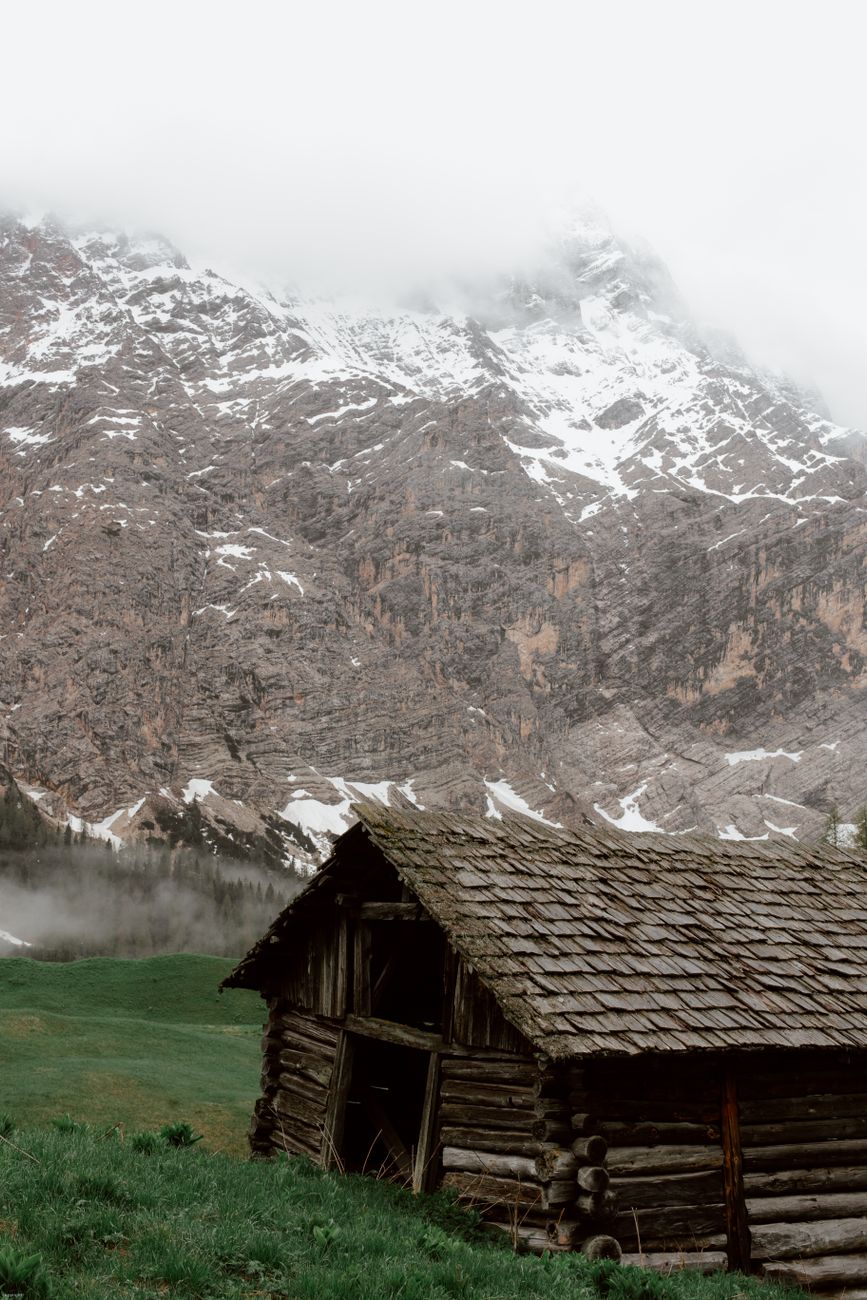
A solitary stone and timber barn facing the late morning fog in South Tyrol.
2. Vernacular Timber & Modern Sanctuary
In recent years, a quiet architectural movement has emerged across Bolzano and Merano. Architects like Peter Pichler and Armin Blasbichler have redefined how structures interface with alpine drama. Rather than erecting ostentatious glass monoliths that simulate city penthouses, they have returned to blackened spruce, untreated larch shingles, and rammed earth floors that breathe at high altitude.
Stepping inside these minimalist shelters, the immediate sensory impact is acoustic. Triple-glazed panoramic casements seal out the sub-zero gusting winds, while the dense wood fibers swallow sound, leaving you in an acoustic chamber where the only rhythm is the crackle of local beechwood burning in a recessed iron hearth.
“The alpine cabin should not dominate its precipice; it should exist merely as an aperture through which the ancient mountain is witnessed.”
3. The Practice of Quietude
Modern travel often presents itself as an aggressive checklist of viewpoints and captured media files. In the higher refugios of the Sella Pass, one reclaims the lost discipline of simply watching light shift across dolomite rock. Over the course of twelve hours, the mineral face transforms from cold ash gray into warm amber, then a vivid volcanic alpenglow, before dissolving into ink-black darkness pierced only by the Orion constellation.
4. Essential Refuges
For readers seeking to recreate this traverse, we recommend basing your journey around the higher elevations of San Cassiano and the secluded pastures of Alpe di Siusi. Choose lodgings that avoid digital entertainment devices and maintain wood-fired thermal baths fed by direct glacial melt.
Plan an Alpine Route
Our editorial team maintains detailed topographic logs, contact coordinates for family-run dairy farm refuges, and off-grid chalets across the Dolomites.
Consult With Our Curators